
Rapid Screening Core Capabilities
Many · Fast · Good · Economical — fast data capture, fast modeling, fast deployment, fast model evolution and iteration
One scan: 31 spectral elements + 15 chromophore indicators + high-dimensional skin spectral data; simultaneously delivers many results (substance abuse, infectious disease, oncology, chronic disease, wellness, nutrition)
5s capture, 10s analysis, 30s full report — ideal for high-throughput, high-frequency screening; results delivered on the spot
Physical detection, non-invasive, good UX; AI-driven, fast and convenient
No consumables, cost-effective and time-saving
Empowered Application Scenarios

Anti-Drug · Judicial Rehab
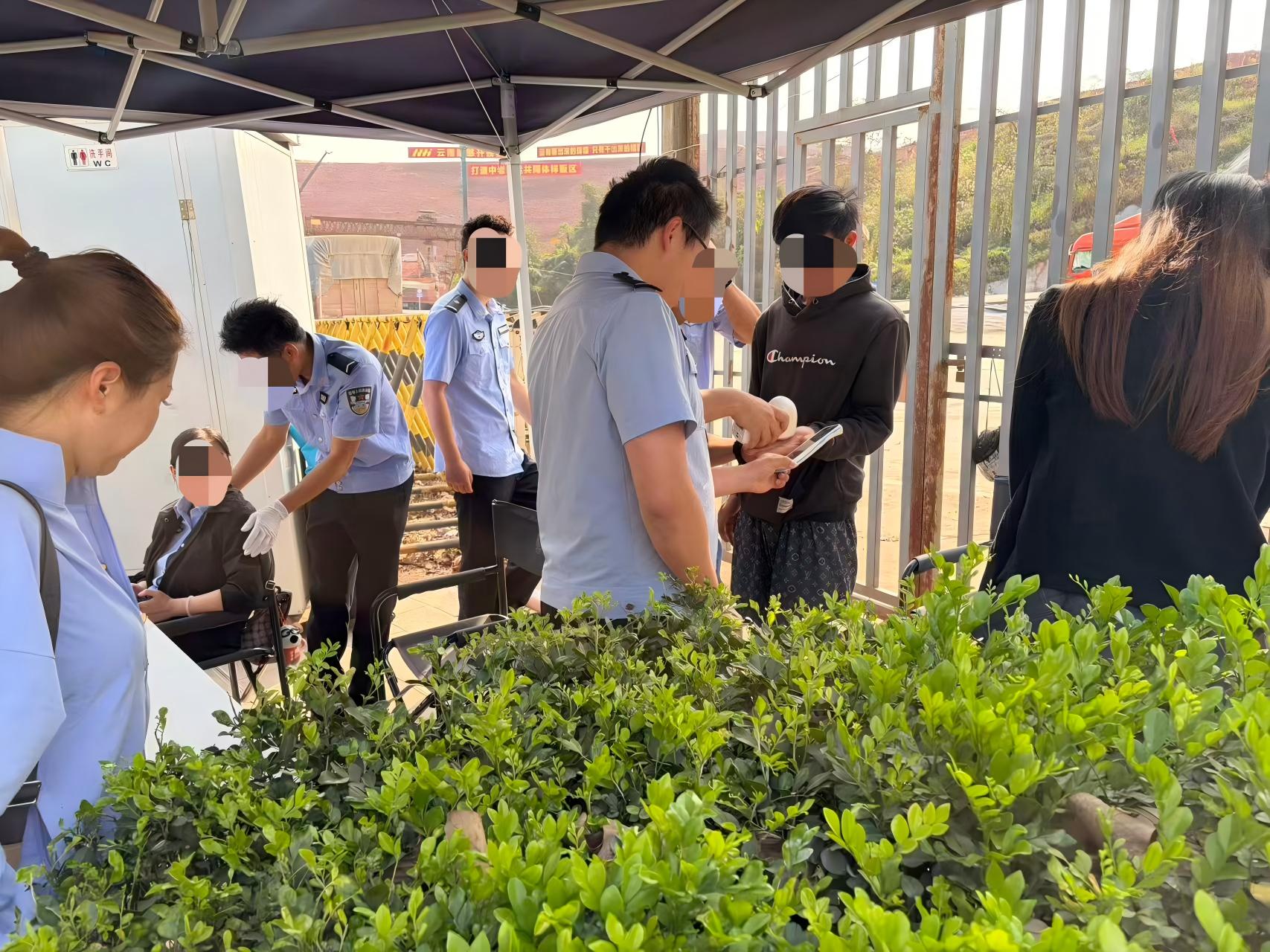
For anti-drug policing, border ports, traffic enforcement, and judicial rehab management, AI Spectral Screener provides non-invasive rapid prescreening and recovery-period health tracking to lower screening cost and improve field efficiency.
Scenario pain points
- Emerging addictive substances evolve quickly; traditional testing research and deployment can lag; new drug abuse is hard to detect.
- Urine and hair testing is costly, making large-scale, high-frequency field screening difficult.
- Entertainment venues, schools, and traffic scenarios require high compliance and fast execution.
Solution
- Use AI Spectral Screener for palm spectral capture with no sampling, no consumables, and high subject compliance.
- Combine with addictive-substance spectral biomarker libraries to produce rapid prescreening risk prompts.
- Accumulate terminal and cloud data to support law-enforcement rapid screening and judicial rehab management across all stages.
Typical scenarios

Border-port screening
High-throughput rapid prescreening at border checkpoints improves risk identification in heavy-flow scenarios.

Entertainment-venue inspection
Rapid on-site spectral checks at entertainment venues; improved efficiency, high subject compliance, supporting civilized enforcement.

Critical-industry screening
Frequent health checks for couriers, logistics workers, public-transit and long-haul drivers; early alerts safeguard their health and public safety.
Medical Specialties
For hospitals, CDCs, health-check centers, pediatric alliances, and grassroots public health, the platform turns a single spectral capture into model input for chronic disease, pediatric specialties, and infectious diseases — supporting rapid screening, continuous assessment, and research-cohort building.

Scenario pain points
- Chronic and pediatric screening needs lower-burden, higher-frequency data capture.
- Grassroots and health-check scenarios lack scalable tools for continuous auxiliary assessment.
- Specialty model development needs real-world samples and long-term dynamic data.
Solution
- Use AI Spectral Reader for non-invasive spectral capture and structured health data generation.
- Feed chronic-disease, pediatric, and infectious-disease models — imperceptible, non-invasive, results on the spot, delivering an excellent screening experience.
- Accumulate continuous samples and follow-up data for ongoing specialty-model improvement.
Typical scenarios

Chronic-disease screening
Non-invasive spectral capture supports chronic-disease risk assessment across clinics, health checks, and community care.

Infectious-disease screening
Screening models and spectral biomarker libraries are already built for HBV / HCV / HIV, offering medical workers and patients a non-invasive, efficient infectious-disease screening solution.
Pediatric specialties
For children's hospitals and pediatric alliances, providing preliminary screening solutions for pediatric oncology, intellectual disability, ADHD, and nutrition & development assessment scenarios.
Sports Health
Starting from athlete precision nutrition, the platform extends to sports rehabilitation and public digital health, making training, recovery, nutrition, and wellness more measurable and trackable.

Scenario pain points
- Sports nutrition and recovery management often rely on experience, making individual differences hard to quantify.
- Rehabilitation needs continuous tracking, but frequent testing can be costly and burdensome.
- Public fitness scenarios lack self-service, sustained health-feedback tools.
Solution
- Use spectral capture to build element-status and health-trend profiles for sports populations.
- Combine training cycles, recovery stages, and individual goals into model-based suggestions.
- Support self-service terminals and institutional services with long-term sports-health profiles.
Delivered results
- Athlete precision-nutrition and recovery-status feedback.
- Recovery-stage trend tracking and intervention references.
- Public sports-health profiles and pre/post-exercise status assessment.
Typical scenarios
Competitive sports nutrition
Athlete spectral capture in training centers delivers individualized feedback for nutrition and recovery status.

Sports rehabilitation
Assists rehab teams in tracking recovery status and tuning training load, nutrition, and recovery rhythm.

Public digital health
Self-service health feedback makes pre- and post-exercise status more measurable and trackable for the public.
Health Data Assets
The first three scenario groups continuously generate real-world spectral health data, which becomes a governable, traceable, and iterative data asset foundation for public-health alerts, trusted data spaces, and specialty model factories.

Scenario pain points
- Traditional health data is collected too infrequently and inconsistently to become long-term assets.
- Public-health alerts need regional continuous data and anomaly-trend detection.
- Specialty model iteration needs a compliant, sustainable data foundation.
Solution
- Build continuous dynamic spectral databases through standardized multi-scenario capture.
- Use data governance, trusted spaces, and privacy protection to support compliant circulation.
- Connect data capture, joint development, deployment, and iteration through a model-factory approach.
Delivered results
- Population health data assets and balance-sheet foundations.
- Public-health anomaly trend early-warning capability.
- Closed loop for continuous specialty model training and validation.
Typical scenarios
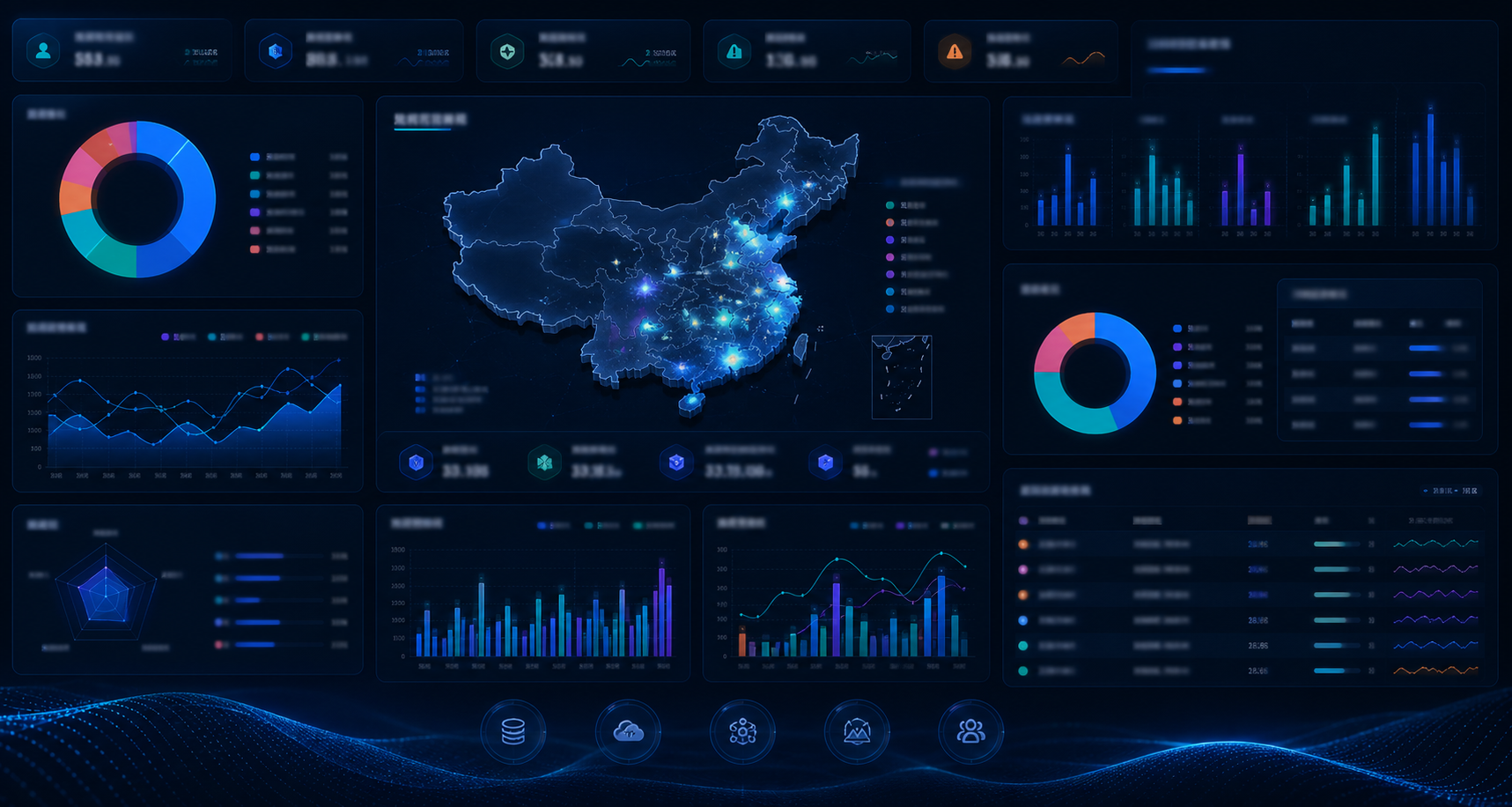
Health data assetization
Under compliant governance, population health data can become assets for valuation, registration, and exchange use cases.

Public-health alerts
Regional spectral health data helps detect abnormal public-health trends and form early alerts.

AI model factory
Scenario data drives model training, validation, deployment, and iteration to shorten specialty-model development cycles.
Data product registration certificates 16
Registered as data products on the Kunming International Data Exchange, with blockchain attestation for traceability and compliant circulation. Click a certificate to enlarge.